
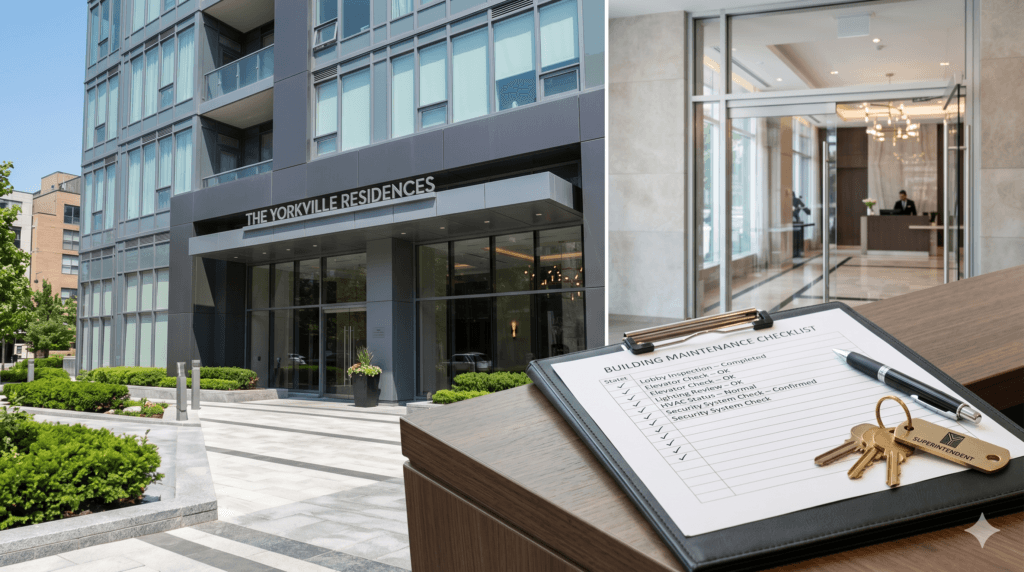

Introduction to Condominium Superintendent Services
Condominium superintendent services play a crucial role in the management and upkeep of condominium properties. These services encompass a wide range of responsibilities that ensure the smooth operation of the facilities and the satisfaction of residents. A condominium superintendent typically acts as the primary point of contact for both the property management team and the residents, bridging the gap between the two parties and maintaining a harmonious living environment.
The primary functions of condominium superintendent services include overseeing the daily maintenance of the property, monitoring security measures, responding to resident inquiries, and coordinating repairs as needed. Additionally, superintendents are responsible for implementing building policies, managing common areas, and conducting inspections to ensure compliance with safety regulations. By fulfilling these functions, superintendents contribute significantly to the overall quality of life for residents while relieving property managers from the burden of day-to-day operational tasks.
One of the key benefits of condominium superintendent services is that they promote efficient communication and transparency between residents and property management. A superintendent serves as a reliable resource for residents to express concerns or seek assistance, facilitating timely resolutions to issues that may arise. This proactive approach helps to foster a sense of community among residents, enhancing their living experience.
Furthermore, by effectively managing the property’s maintenance and operational needs, superintendents help sustain property value and enhance the appeal of the condominium complex. In an industry where first impressions matter, their role is essential in ensuring that the property remains well-maintained and inviting.
Key Responsibilities of a Condominium Superintendent
A condominium superintendent plays a pivotal role in ensuring the smooth operation and maintenance of the condominium complex. One of the primary responsibilities of a superintendent is to perform daily maintenance tasks. This includes conducting regular inspections of common areas, addressing maintenance issues as they arise, and ensuring that all facilities, such as the pool, gym, and elevators, are in good working order. Regular maintenance prevents small issues from escalating into significant problems, thereby preserving the property’s value and ensuring resident satisfaction.
Another critical duty is overseeing repairs. The superintendent must assess the condition of various systems and structures within the condominium, coordinating necessary repairs with appropriate contractors. This involves maintaining relationships with reliable service providers, obtaining and reviewing estimates, and ensuring work is completed within a reasonable time frame and budget.
Moreover, managing staff is an essential aspect of a superintendent’s role. This includes hiring, training, and supervising maintenance personnel or cleaning staff. Effective management ensures that all staff members are aligned with the condominium’s operational goals and understand their specific responsibilities, thereby enhancing overall efficiency.
Furthermore, compliance with safety regulations is a paramount responsibility. Superintendents must ensure that the condominium adheres to local building codes and safety standards, which may involve regular safety inspections and emergency preparedness planning. This compliance not only protects the property but also guarantees the safety and welfare of all residents.
Effective communication is fundamental in this role. Superintendents must maintain transparent and proactive communication with both residents and management boards, keeping all parties informed about maintenance issues, scheduled repairs, and safety concerns. This communication fosters a cooperative living environment, ultimately enhancing the quality of life within the condominium.
The Role of a Superintendent in Community Building
The role of a condominium superintendent extends far beyond mere maintenance and administrative duties; it encompasses the essential task of fostering a cohesive sense of community within the building. Superintendents serve as the pivotal figure who connects residents, ensuring that the environment is not only functional but also welcoming and inclusive. By initiating and promoting community-building activities, superintendents enhance the living experience and help residents feel more invested in their shared home.
One of the primary initiatives that superintendents may undertake is organizing resident meetings. These gatherings serve as a platform for dialogue, allowing residents to voice their concerns, share ideas, and participate in discussions that affect their daily lives. Furthermore, by facilitating open communication channels, superintendents can effectively resolve disputes that may arise between residents. Addressing these conflicts swiftly and diplomatically helps maintain a harmonious environment, preventing potential escalation and fostering relationships among residents.
In addition to conflict resolution, superintendents play a crucial role in encouraging collaboration among residents. They often facilitate opportunities for residents to engage in activities, such as community clean-up days or social events. Such initiatives not only promote teamwork but also help individuals build connections with their neighbors, creating a stronger sense of belonging. The superintendent acts as an advocate for resident interests, ensuring that their feedback or suggestions are taken into account when making decisions regarding the building’s operations and improvements.
Ultimately, the effectiveness of a superintendent in community building is reflected in the quality of relationships among residents. As they serve as a point of contact for concerns and feedback, superintendents help cultivate a vibrant community atmosphere that enhances the overall living experience within the condominium.
Hiring and Training Condominium Superintendents
When it comes to effective condominium management, hiring and training competent superintendents is crucial. Property managers and boards of directors should prioritize identifying candidates with the right qualifications and skills. Ideal candidates for superintendent positions should demonstrate excellent communication skills, the ability to handle maintenance issues, and a strong understanding of property management principles. Additionally, relevant experience in similar roles can significantly enhance a candidate’s suitability.
Prior experience allows potential superintendents to demonstrate their capability in managing day-to-day operations and their familiarity with various building systems. This experience could include previous roles in property management, maintenance, or even customer service, which can be invaluable in ensuring a conducive living environment for residents. A well-rounded background assists superintendents in effectively addressing residents’ concerns and maintaining the property’s standards.
Once candidates are selected, comprehensive training programs become essential. These programs should encompass operational procedures, safety protocols, and conflict resolution strategies. Training can also cover key areas such as maintenance management, emergency response, and financial oversight. By investing in quality training, property managers can equip superintendents with practical skills and knowledge, thereby empowering them to manage their responsibilities efficiently.
Furthermore, best practices for property managers and boards include creating clear job descriptions, conducting thorough interviews, and performing background checks to assess qualifications comprehensively. Continuous professional development through workshops and seminars is vital in keeping superintendents up-to-date with industry trends and service enhancements. By implementing these strategies in the hiring and training phases, boards and property managers can help ensure that competent superintendents are retained, ultimately improving the overall management of the condominium.
call us now (416) 838-2695
email: bestcare@bestcarebuilding.com