
What Are Live-In Superintendent Services?
Live-in superintendent services are a vital component of property management within residential buildings, particularly in urban settings such as Toronto. These services are provided by professional superintendents who reside on-site, ensuring immediate attention to the needs and concerns of both the property and its residents. The role of a live-in superintendent is multifaceted, encompassing a variety of responsibilities that contribute to the smooth operation of a building.
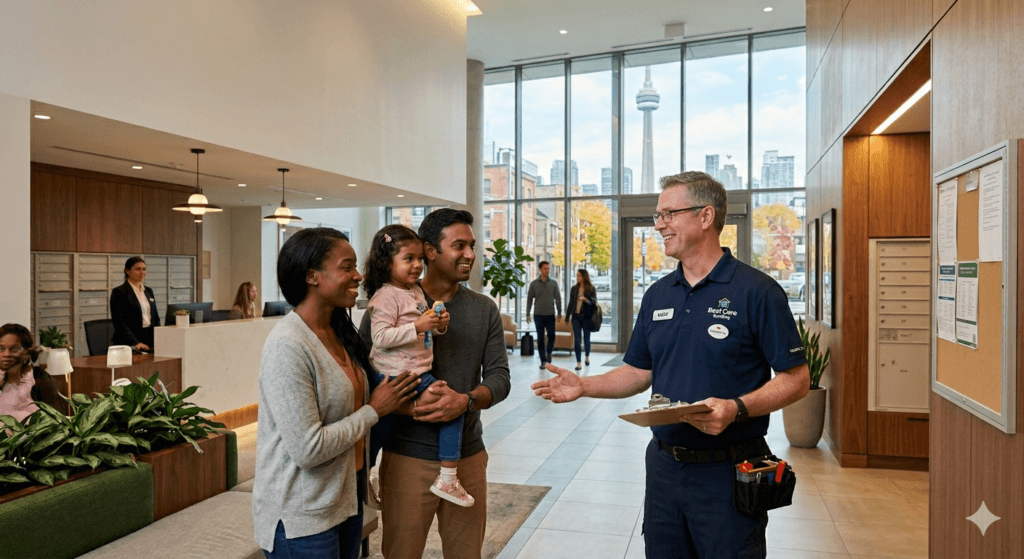
Primarily, live-in superintendents act as on-ground managers who oversee daily maintenance tasks, enforce building rules, and serve as a point of contact between property management and tenants. Their presence ensures that any issues, from minor repairs to emergency situations, can be addressed promptly, fostering a safe and comfortable living environment. Such promptness can significantly enhance the residents’ quality of life, as issues are resolved quickly and effectively.
In addition to maintenance duties, live-in superintendents are often responsible for managing common areas, handling requests for service, and conducting regular inspections to ensure compliance with safety regulations. They may also organize community activities, promoting engagement among residents. By maintaining a visible and approachable presence, they can build relationships with tenants, leading to better communication and a stronger community feeling.
Furthermore, live-in superintendent services typically include administrative responsibilities, such as collecting rent, managing service contractor schedules, and ensuring that property-related policies are adhered to. Their comprehensive understanding of the building and its systems allows them to advocate for necessary repairs or upgrades effectively, representing both the interests of the management and those of the residents.
The Importance of Live-In Superintendents in Toronto
Live-in superintendents play an essential role in the management of residential properties in Toronto, offering numerous benefits that enhance the living experience for all residents. One of the primary advantages of having a live-in superintendent is the on-site maintenance services they provide. This availability is crucial for ensuring that any maintenance issues are addressed promptly, significantly reducing the time residents must wait for repairs. Whether it’s a plumbing problem or a malfunctioning elevator, having someone on the premises allows for immediate attention to these concerns, which can improve overall tenant satisfaction.
Moreover, live-in superintendents are invaluable in emergency situations. In a bustling city like Toronto, where circumstances may change rapidly, having a dedicated professional available around the clock ensures that residents can feel secure. For instance, in the event of a fire or power outage, a live-in superintendent can take swift action to ensure the safety of residents and help coordinate emergency responses. Their ability to maintain a level of preparedness for emergencies is a significant benefit, fostering a secure environment for all occupants.
Additionally, live-in superintendents contribute to fostering a sense of community among residents. By being present on-site, they often act as mediators in disputes and help bridge communication gaps between tenants. They can organize community events or gatherings that promote social interaction, enhancing the overall vibrancy of the residential setting. A live-in superintendent’s presence can lead to a stronger community spirit, making the living experience in Toronto not only more pleasant but also enriching for all tenants.
Duties and Responsibilities of a Live-In Superintendent
Live-in superintendents play a crucial role in the management and upkeep of residential buildings in Toronto. Their responsibilities are diverse and encompass a variety of tasks aimed at ensuring the smooth operation of the property. One of the primary duties of a live-in superintendent is to perform regular maintenance tasks. This includes conducting inspections of the building to identify areas that require repairs, as well as addressing maintenance issues reported by tenants. Regular upkeep not only preserves the property’s condition but also enhances tenant satisfaction.
Effective communication with tenants is another key responsibility of a live-in superintendent. Acting as the first point of contact for residents, they must address inquiries and complaints promptly and professionally. This involves maintaining open lines of communication to ensure that tenants feel heard and valued. Superintendents may also be responsible for organizing community events to foster a sense of belonging among residents, further contributing to a positive living environment.
Management of common areas is an essential component of a live-in superintendent’s duties. This includes overseeing cleanliness and functionality of shared spaces such as lobbies, laundry facilities, and recreational areas. Ensuring these areas are well-maintained not only contributes to the overall aesthetic of the building but also promotes a safe and pleasant living experience for all residents.
Finally, live-in superintendents must be prepared to act in emergencies. This responsibility includes being available during crises, such as plumbing issues, power outages, or even fire alarms. A prepared superintendent can effectively manage these situations, ensuring tenant safety and minimizing potential damage to the property. Overall, the duties of a live-in superintendent are integral to the efficient operation of residential buildings, making their role vital in enhancing tenant experiences.
Qualifications and Skills Required
To become an effective live-in superintendent in Toronto, a diverse set of qualifications and skills is essential. These professionals serve a crucial role in managing properties, ensuring that both the physical environment and tenant relations operate smoothly.
First and foremost, experience in property management is invaluable. Individuals interested in this position should ideally possess a background in property maintenance, which encompasses understanding building systems, safety protocols, and emergency response. Familiarity with community housing regulations and tenant laws enhances a superintendent’s ability to navigate the complexities of property management. This practical knowledge is often gained through prior work experience in residential or commercial properties.
Technical skills are equally important for a live-in superintendent. Maintenance tasks ranging from plumbing to electrical repairs are common responsibilities. Proficiency in basic construction, HVAC systems, and general handyman skills are often essential for quick resolution of tenant issues. Continuous learning through workshops or certification programs can further strengthen these skills, making it easier to address varied maintenance challenges effectively.
In addition to technical know-how, strong interpersonal skills are critical. Live-in superintendents must foster positive relationships with tenants, addressing their concerns promptly while maintaining clear communication. The ability to resolve conflicts and promote a sense of community within the building contributes to tenant satisfaction and retention. Empathy, patience, and adaptability are indispensable traits that help superintendents connect with residents, enhancing overall living experiences.
In summary, the qualifications for becoming a live-in superintendent involve a combination of property management experience, technical maintenance skills, and strong interpersonal abilities. These competencies create a strong foundation for managing residential properties effectively in the competitive Toronto market.
Legal and Regulatory Aspects
The legal and regulatory framework governing live-in superintendent services in Toronto is intricate, encompassing various property management laws, tenant rights, and specific licensing requirements. Understanding these regulations is vital for both landlords and superintendents, as it ensures compliance and fosters a harmonious living environment within rental properties.
At the core of the legal structure are the Residential Tenancies Act (RTA) and other pertinent municipal regulations that assert the rights of tenants and outline the responsibilities of property owners. The RTA safeguards tenants’ rights by providing guidelines on lease agreements, maintenance issues, and eviction procedures. Live-in superintendents, who often manage multiple aspects of property oversight, must be well-versed in these laws to effectively mediate between landlords and tenants, ensuring that all parties adhere to their rights and obligations.
Additionally, there are specific licensing requirements for superintendents in Ontario, which may include background checks and training in property management, emergency response, and tenant relations. Such qualifications not only enhance the credibility of superintendents but also ensure that they possess the necessary skills to tackle the diverse challenges that arise in property management.
Furthermore, it is imperative for superintendents to develop an understanding of the Ontario Human Rights Code, as it impacts residential living situations. This code prohibits any form of discrimination in housing-related services, compelling superintendents to promote inclusive practices within their properties. Adherence to these legal frameworks establishes not only a standard for professional conduct among live-in superintendents but also fosters an environment that respects tenant dignity.
In conclusion, navigating the legal and regulatory landscape is essential for live-in superintendents in Toronto. Knowledge of property management laws, tenant rights, and licensing requirements ultimately works to create a sustainable and respectful living arrangement for all parties involved.
Challenges Faced by Live-In Superintendents
Live-in superintendents play a vital role in the management and upkeep of residential buildings. However, their position comes with a unique set of challenges that can be quite demanding. One of the primary difficulties faced by these professionals is dealing with difficult tenants. Instances of conflict may arise due to differing expectations regarding property management, maintenance requests, or tenant behavior. Effectively addressing grievances while maintaining a professional rapport can be a strenuous and emotionally taxing task.
Another significant challenge is managing their work-life balance. Since live-in superintendents reside on the property, distinguishing between work and personal time can prove to be a challenging endeavor. They may find themselves addressing emergencies or tenant concerns at all hours, leading to potential burnout. Establishing boundaries while still being responsive and available for tenants can often feel like walking a tightrope.
Additionally, staying updated on building codes and regulations is essential for live-in superintendents to perform their duties legally and efficiently. This includes understanding the latest fire safety protocols, accessibility standards, and maintenance regulations. The ever-evolving nature of these codes demands that superintendents engage in continuous education and training, which can be time-consuming amidst their busy schedules.
Furthermore, the emotional and psychological toll of the job should not be overlooked. Superintendents may often navigate complex interpersonal dynamics within the resident community, contributing to stress. Each of these challenges can impact not only their professional performance but also their overall well-being.
The Relationship Between Tenants and Superintendents
The dynamic relationship between tenants and live-in superintendents is an essential aspect of residential living in Toronto. Live-in superintendents serve not only as property managers but also as primary points of contact for tenants regarding various concerns. Effective communication strategies play a crucial role in nurturing this relationship. Superintendents must be approachable and responsive, ensuring that tenants feel comfortable bringing forth their issues or requests. Regularly scheduled meetings or informal check-ins can facilitate open lines of communication, fostering trust between both parties.
Conflict resolution is another significant dimension of the superintendent-tenant relationship. Disagreements may arise over maintenance issues, noise complaints, or lease terms. A skilled superintendent must approach such situations with empathy and professionalism. Utilizing conflict-resolution techniques, such as active listening and finding common ground, can help resolve disputes amicably. By addressing concerns promptly and fairly, superintendents reinforce their role as advocates for tenant well-being, which is vital for maintaining a harmonious community.
The role of superintendents in building a positive living environment cannot be overstated. They often act as community facilitators, organizing events that bring tenants together or providing resources for local services. Such initiatives not only enhance tenant satisfaction but also encourage a sense of belonging and community spirit. For instance, superintendents might facilitate neighborhood potlucks or organize maintenance workshops that empower tenants with knowledge about their living spaces.
Ultimately, the health of the relationship between tenants and live-in superintendents is foundational to a well-functioning apartment community in Toronto. By nurturing effective communication, addressing conflicts constructively, and fostering community engagement, superintendents can significantly contribute to creating a positive living environment for all residents.
Tips for Effective Management as a Live-In Superintendent
Being a live-in superintendent in Toronto involves a diverse set of responsibilities, from property maintenance to resident relations. To effectively manage these duties, it is crucial to adopt systematic strategies that ensure efficiency and professionalism.
First and foremost, time management is essential. Organizing daily tasks through a prioritization method helps to address immediate needs while planning for longer-term projects. Utilize tools such as calendars or task management applications to schedule routine maintenance and track resident requests. Consider setting aside specific times each week for preventive maintenance, as this can significantly reduce emergencies and repairs.
Maintaining professional boundaries is also vital in the role of a live-in superintendent. It is important to establish clear policies regarding interactions with residents. While being approachable fosters a positive community atmosphere, setting limits will help prioritize work responsibilities and personal time. Being consistent in enforcing boundaries can avoid misunderstandings and foster respect between you and the residents.
Engagement with residents is another key aspect of effective management. Regularly conducting meetings or informal gatherings can facilitate open communication and build trust within the community. Encourage feedback about the property and listen actively to resident concerns. This not only aids in resolving issues promptly but also strengthens community ties, making residents more likely to participate positively in communal living.
Incorporating these strategies into your daily routine will assist you in managing the complexities of being a live-in superintendent. By focusing on time management, professional boundaries, and resident engagement, you can create a harmonious living environment while fulfilling your responsibilities effectively. Implementing these tips will contribute to a successful tenure as a live-in superintendent in Toronto.
The Future of Live-In Superintendent Services in Toronto
As Toronto continues to evolve, so too does the role of live-in superintendent services in managing residential buildings. One notable trend is the increasing integration of technology in property management. Smart building systems are being adopted to enhance operational efficiency and improve tenant experiences. For instance, mobile applications now allow tenants to report maintenance issues, pay rent, and communicate with superintendents seamlessly. This shift not only increases tenant satisfaction but also enables live-in superintendents to manage their responsibilities more effectively.
Furthermore, as urban populations expand, the expectations of tenants are also changing. Modern residents are increasingly looking for amenities that promote convenience and community living, which places a premium on the superintendent’s role. Live-in superintendents will be expected to not only handle maintenance and repairs but also foster a sense of community among residents. This may involve organizing events or activities that encourage social interaction, thereby enhancing the living experience in the building.
The real estate landscape in Toronto is also subject to change, driven by factors such as climate change and sustainability initiatives. Future developments may prioritize environmentally friendly practices, which could lead to a demand for live-in superintendents who are knowledgeable about green building practices and sustainable living. This specialized knowledge will likely enhance their value in property management, as residents increasingly seek living environments that align with their environmental values.
In conclusion, the future of live-in superintendent services in Toronto appears to be marked by the intersection of technology, evolving tenant expectations, and changing real estate dynamics. Embracing these trends will be essential for superintendents as they navigate their roles in an ever-evolving landscape.
call us now: (416) 838-2695 e-mail: bestcare@bestcarebuilding.com